
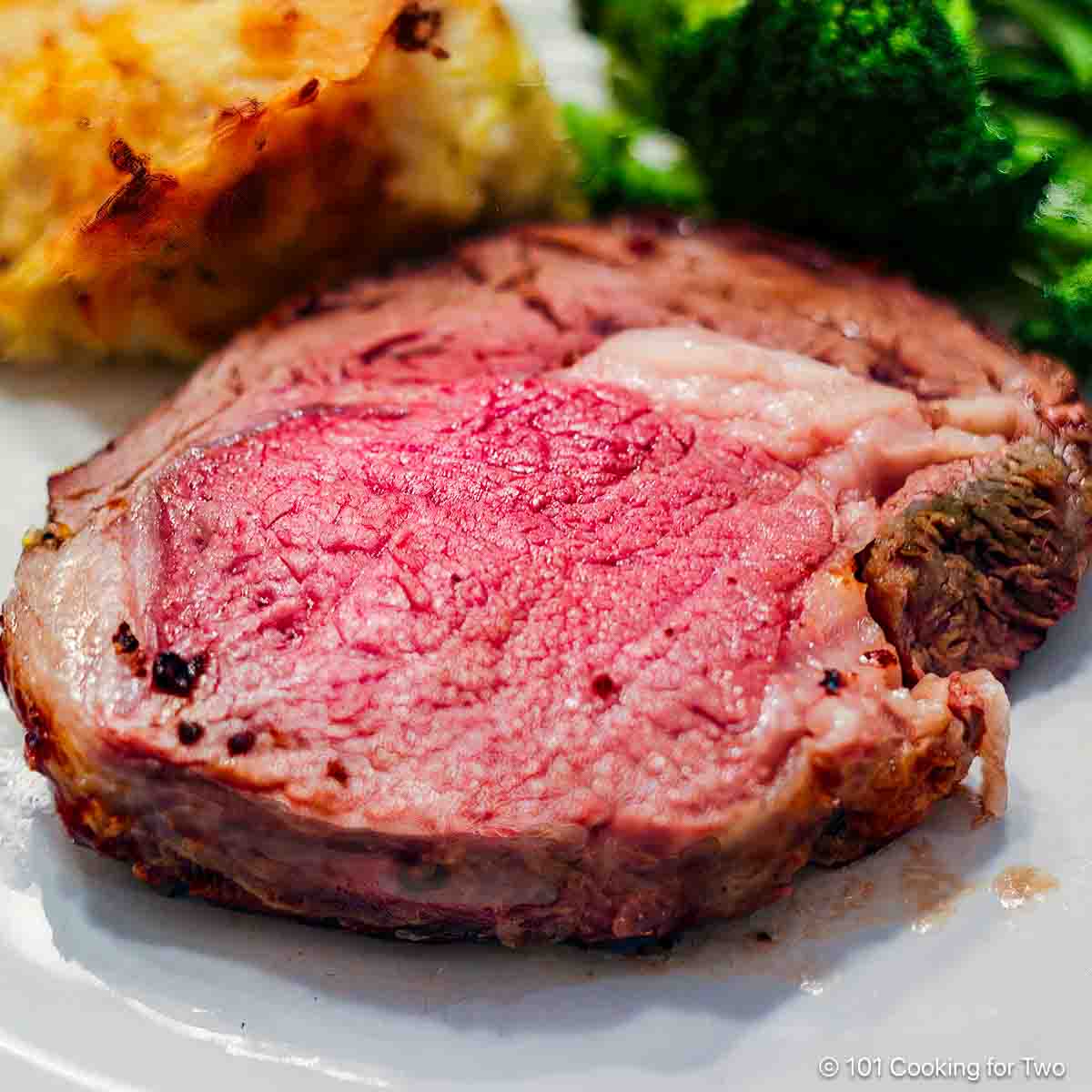
Want prime rib without buying a huge roast? Learn how to cook a small boneless prime rib ribeye roast—the same juicy, tender flavor in a 2–4 lb rib roast. With a simple garlic-butter crust and an easy time-and-temp method, it’s perfect for Christmas or any smaller holiday meal.
Quick Answer: ⏱️ How Long to Cook a Small Boneless Prime Rib Roast
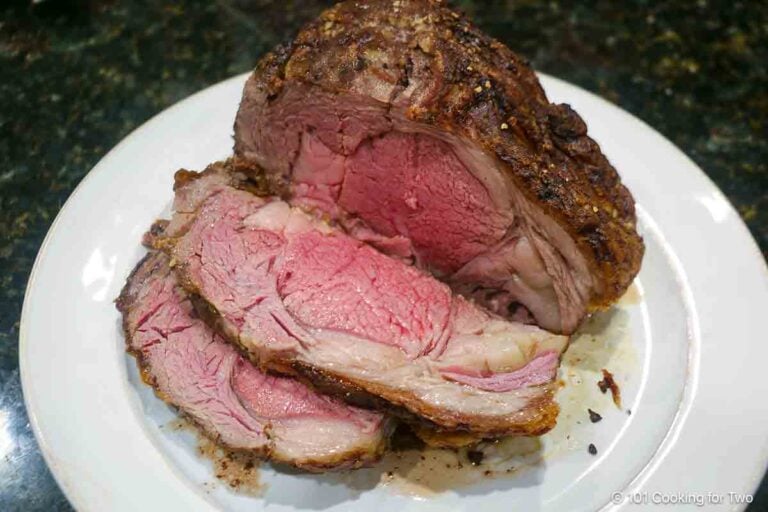
Sear 20 minutes at 500°F, then roast at 325°F until the internal temperature reaches 130°–135°F for medium-rare. Always check early.
Approximate Times (Including Sear):
- 2 lb: 65–75 minutes
- 3 lb: 85–105 minutes
Rule of Thumb: About 15–20 minutes per pound for larger roasts, but small 2–4 lb roasts usually take longer per pound than larger ones.
Jump To (scroll for more)
- ❤️ Why You'll Love This Recipe
- 🤔 Terminology: Prime Rib vs Ribeye
- 🐄 Ingredients
- 👨🍳 Quick Overview: How to Cook a Small Boneless Prime Rib Roast
- ⏰ How Long to Cook a Small Prime Rib (Time & Temperature Guide)
- 👍 Pro Tips for Perfect Prime Rib
- 🥣 Making Au Jus from the Drippings
- 🛒Shopping
- 📋 Related Recipes
- 🔥 What to Do About Smoking Ovens
- 🍽️ What to Serve with Prime Rib
- ❄️ Storage and Reheating Leftovers
- ❓FAQs
- 📖The Recipe Card

Featured Comment by Suzi :
⭐⭐⭐⭐⭐"OMG! My first time making a rib roast, and it is beyond delicious. An almost 3 lb roast cooked perfectly according to your directions. I may eat the entire thing. Thank you!"
❤️ Why You'll Love This Recipe
- Holiday flavor, home-cook easy: Tender, juicy beef with a garlic-butter crust that feels fancy without the stress.
- Sized for smaller gatherings: Perfect for 2–4 lb roasts — just enough for a family dinner or a cozy celebration.
- Bone-in prime rib: Cooks the same using this method, but may take a little longer.
- Beginner-friendly: Simple steps, clear temps, and a thermometer are all you need to get it right.
🤔 Terminology: Prime Rib vs Ribeye
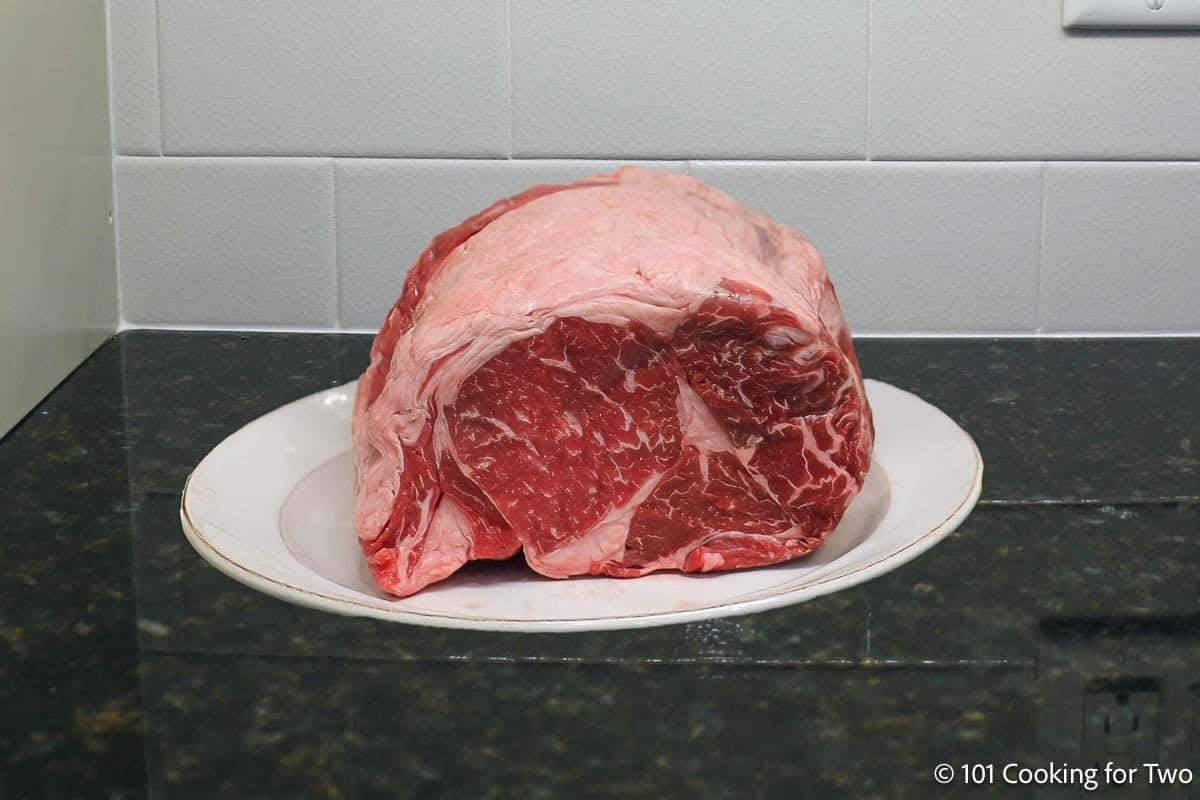
The names can be confusing. A rib roast may be bone-in or boneless, and labeled prime rib, ribeye roast, or simply rib roast — they are all the same cut of beef.
Rib Roast = Prime Rib Roast = Ribeye Roast
Boneless and bone-in can apply to any of the three names.
Standing Rib Roast = Bone-in Rib Roast
And don’t be fooled — prime rib refers to the cut of meat, not the USDA grade. Choice-grade roasts are most common and still excellent.
🐄 Ingredients
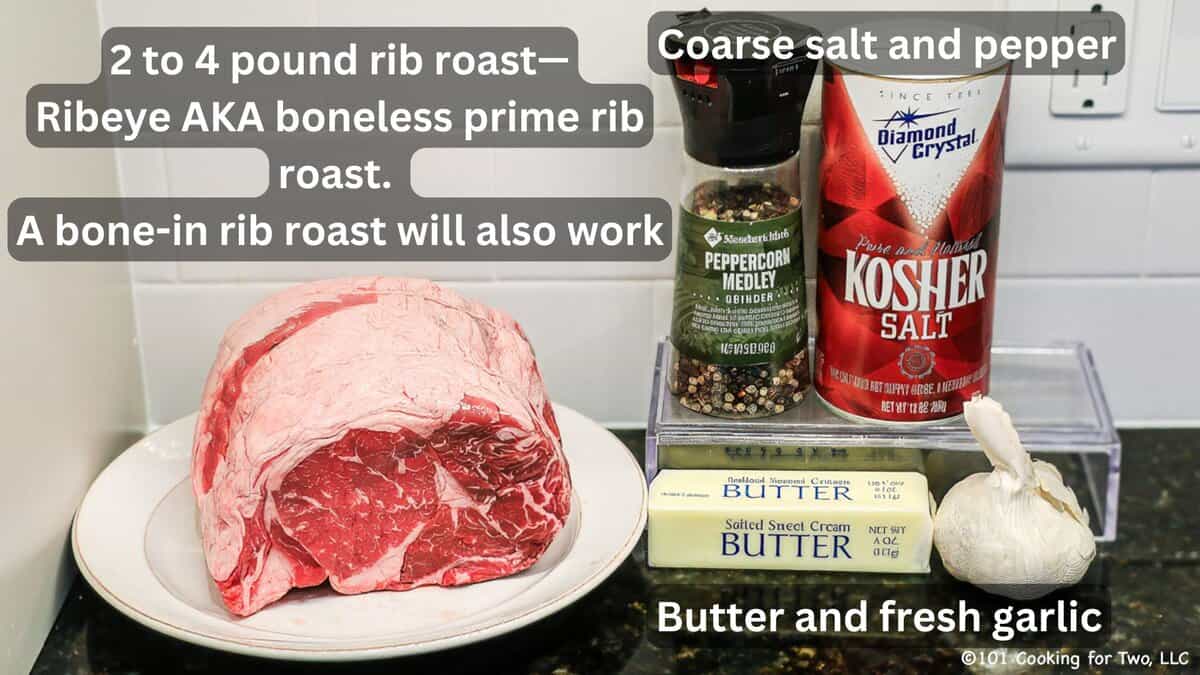
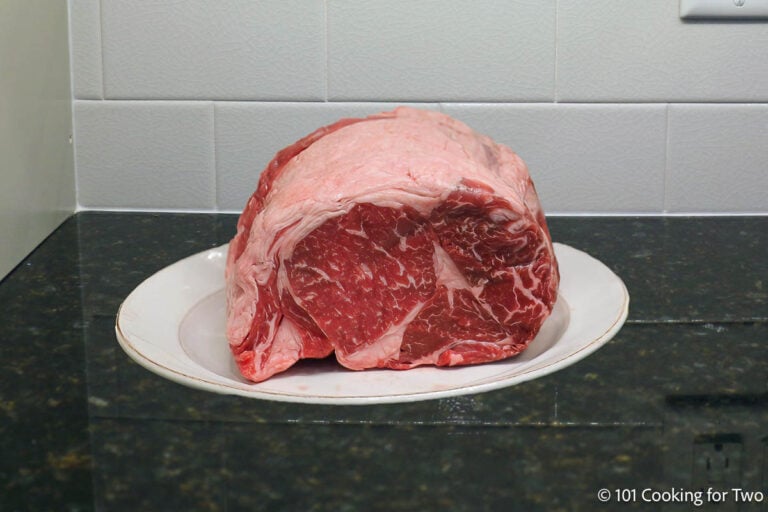
- Rib Roast – 2 to 4 pounds, boneless. Bone-in also works. Prime grade is excellent if available, but Choice is more common and still great. “Prime rib” refers to the cut, not the USDA grade.
- Fresh garlic — crushed or minced.
- Butter — softened for mixing with garlic.
- Salt and pepper — to taste.
👨🍳 Quick Overview: How to Cook a Small Boneless Prime Rib Roast
1. Prep: Rest the roast at room temperature, preheat the oven to 500°F, and prep the pan and garlic butter.
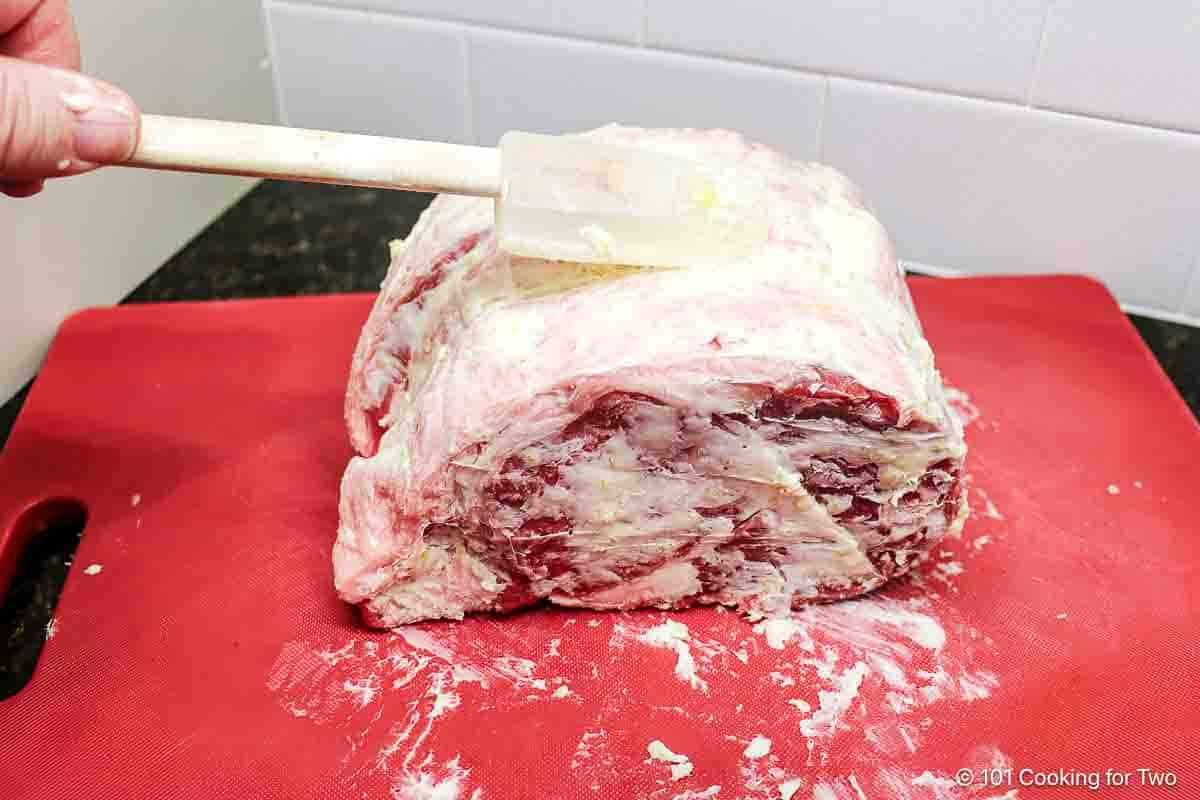
2. Slather & season: Spread the garlic-butter mixture over all sides and season with salt and pepper.
3. Sear, then roast: Roast 20 minutes at 500°F, reduce to 325°F, and cook to 130°–135°F for medium-rare.
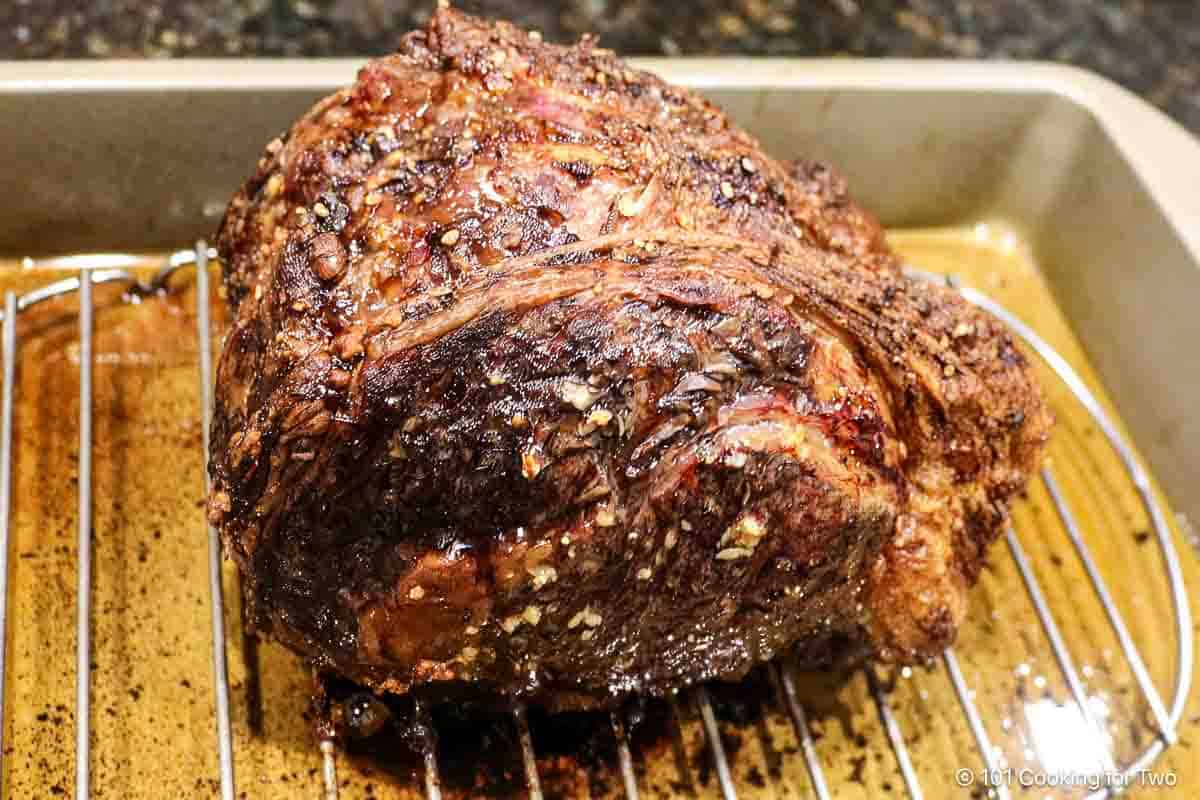
4. Rest & slice: Tent with foil for 15–20 minutes, then slice across the grain.
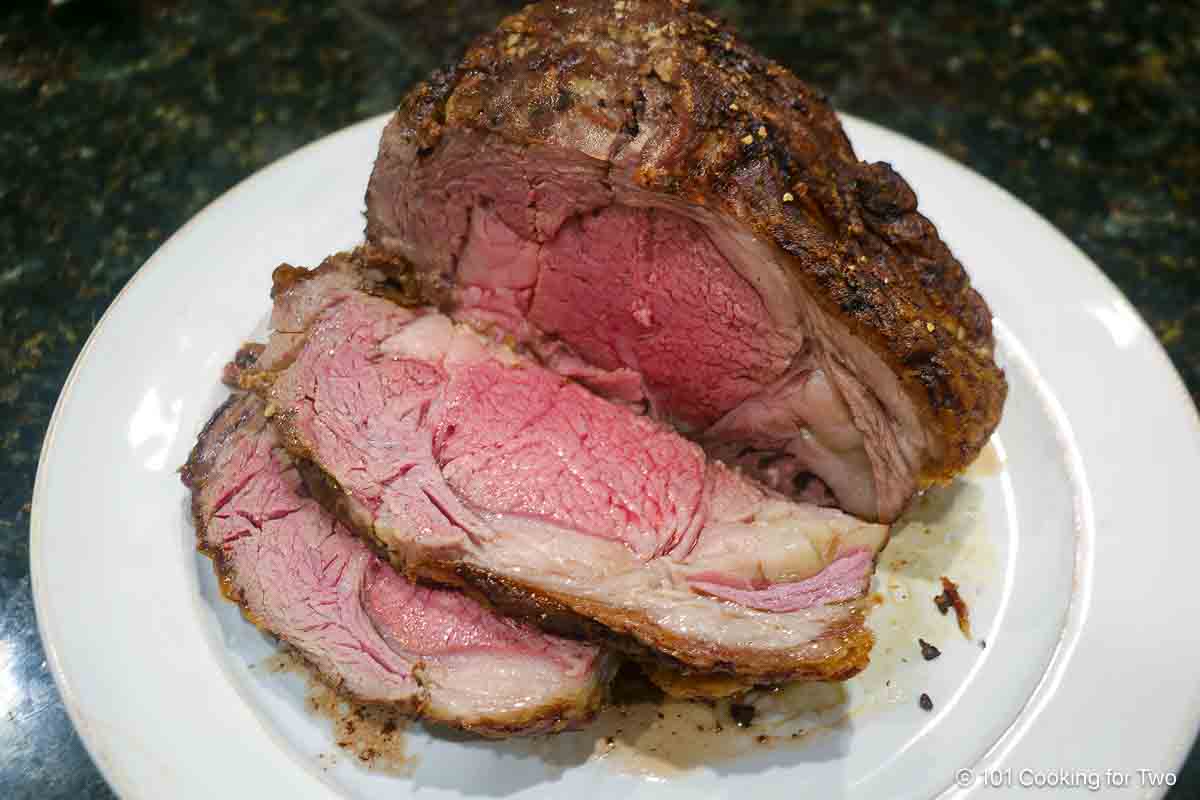
✅ Pro Tip: Temp rises 5°–10° while resting — cook to temp, not time.
👇 Scroll down for the printable recipe card and complete step-by-step photo instructions—or keep reading for temperature guidance, au jus, and tips.
⏰ How Long to Cook a Small Prime Rib (Time & Temperature Guide)
Rule of Thumb: About 15–20 minutes per pound for larger roasts, but small 2–4 lb roasts usually take longer per pound, and larger ones tend to fall toward the lower end of the range. Always check early.
Doneness Guide (for a 2-lb boneless roast):
- Rare – cold red center (125°-130°F): About 60-65 minutes total (20 min sear + 40-45 min roast).
- Medium-rare – warm red center (130°-135°F): About 65-75 minutes (20 + 45-55 min).
- Medium – pink and firm (140°-150°F): About 75-85 minutes (20 + 55-65 min).
- Medium-well / Well: Not recommended — the roast will dry out.
Thinner roasts cook faster; bone-in roasts usually need a little extra time since bones absorb heat.
Size Adjustments:
- 2 lb roast: Use the chart above; check temp early.
- 3 lb roast: Add 20–30 minutes; check early.
- 4 lb roast: Add 25–40 minutes; check early.
✅ Pro Tip: Cooking times are for planning only — always use a thermometer and cook to final internal temp, allowing a 5°–10° rise while resting.
👍 Pro Tips for Perfect Prime Rib
- Rest before roasting: Let the roast sit at room temperature 30–90 minutes for more even cooking.
- Use a thermometer, not the clock: Roasts vary; always check temp early.
- Fat side up: Whether boneless or bone-in, keep the fat cap on top so it bastes as it cooks.
- Use a rack if you can: Helps fat drain and heat circulate, but the recipe still works without one.
- Don’t skip the final rest: Tent with foil 15–20 minutes before slicing. This locks in juices.
- Meat quality matters: Prime grade is outstanding, but Choice is more common and still excellent. What matters most is how you cook it.
Save this recipe!
🥣 Making Au Jus from the Drippings
Making homemade au jus is easy. Use a saucepan on the stovetop.
- ¼ cup meat drippings (drain off the fat if you prefer; if not available, use extra broth)
- 2 cups beef broth (if you placed broth under the meat to prevent smoking while roasting, you can reuse it here)
- 1 tablespoon Worcestershire or soy sauce — or 2–4 tablespoons bold red wine
- Salt and cracked black pepper to taste
Simmer on low heat for 10–15 minutes until slightly reduced.
👉 If you want to thicken the au jus, near the end of simmering, slowly whisk in a slurry of cold water and 2 teaspoons of cornstarch.
🛒Shopping
Here are some suggestions I like, but you can find many more good products that will work at your local big-box store. All links below are affiliate links, meaning I make a small profit from your purchases. This commission does not affect your price. We are a participant in the Amazon Services LLC Associates Program. As an Amazon associate, I earn from qualifying purchases.
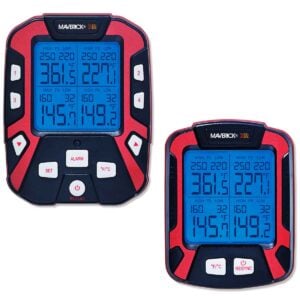
Maverick XR-50 4 Probe Remote Thermometer
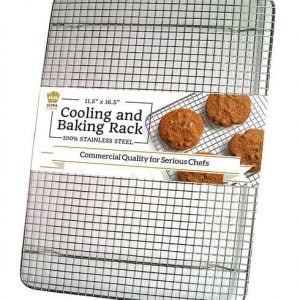
Oven Safe Racks
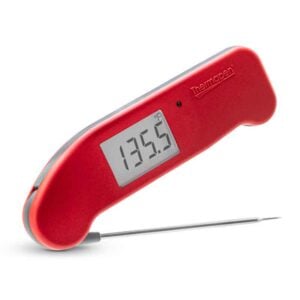
Thermapen™ One from Thermoworks™
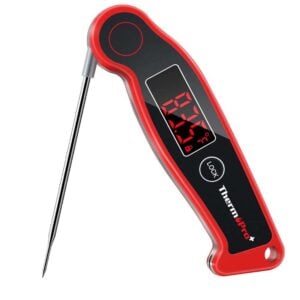
ThermoPro TP19 Instant Read Thermometer
📋 Related Recipes
Looking for more Holiday entrées? Try these:
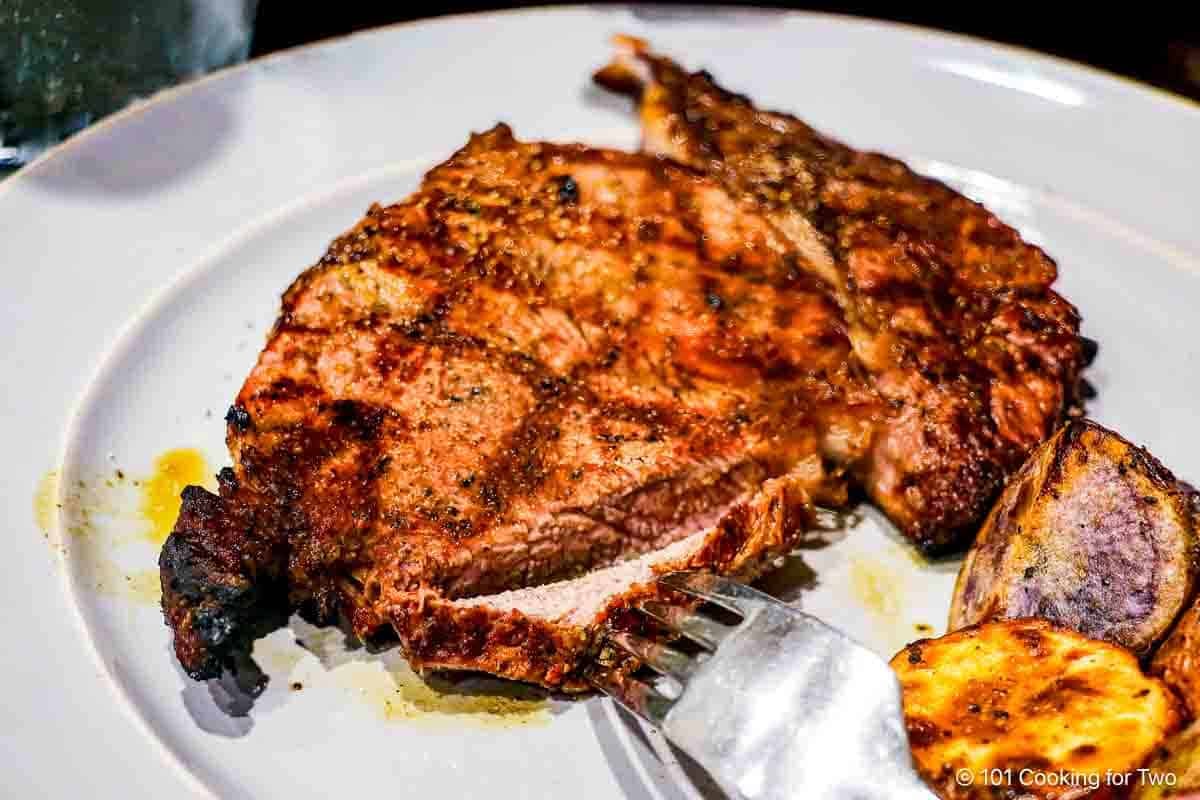
Grilled Ribeye Steaks
Grill juicy, tender ribeye steaks with this beginner-friendly gas grill method. No marinade—just salt, heat, and a few smart steps.
🔥 What to Do About Smoking Ovens
Expect smoke during the 500° sear — fat from the roast and butter will hit hot metal.
Ways to reduce it:
- Pan liquid (best option): Add beef broth (great if making Au Jus) or water under the rack so drippings hit liquid (212°) instead of the hot pan.
- Lower sear temp: Try 450° instead of 500° — less smoke, nearly the same crust.
- Use oil instead of butter: Higher-temp oils smoke less, but flavor suffers.
- Vent it out: Fans on, windows open, accept the smoke.
- Skip the sear: Go straight at 350°. Cooking time will be longer, and you’ll get more gray edge around the pink center.
🍽️ What to Serve with Prime Rib
Pair your roast with a fresh salad and roasted vegetables like Baked Green Beans with Bacon or Roasted Parmesan Asparagus . For a starch, Roasted Small Potatoes work beautifully. And don’t forget a crusty loaf like Julia Child's French Bread.
For a wine pairing, we prefer Cabernet Sauvignon, Merlot, or Pinot Noir.
❄️ Storage and Reheating Leftovers
Store leftovers tightly covered in the refrigerator for 3–4 days, or freeze airtight for 3–4 months.
To reheat, thaw overnight in the refrigerator if frozen. Warm in the oven, covered with moisture such as au jus or beef broth to prevent drying out.
❓FAQs
Both are excellent. Bone-in may add a touch more flavor and moisture. Boneless cooks more evenly, has more surface area for the garlic butter, and is easier to carve. If you prefer bone-in, use the same method and simply allow a bit more roasting time.
Plan on about ½–¾ pound of boneless per serving. Add a little more for big appetites or fewer sides. For bone-in, add 20%+, for waste, so about a pound± per serving.
Slice across the grain into ½- to ¾-inch thick pieces. Think of it like cutting round slices from a log for even, juicy servings.
📖The Recipe Card
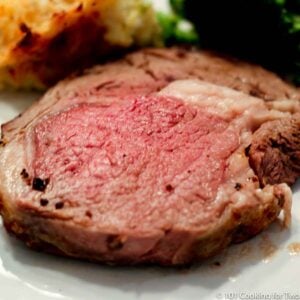
Small Boneless Prime Rib (Ribeye) Roast
Video Slideshow
Ingredients
- 2-4 pound boneless rib roast
- 3 cloves garlic, crushed or minced
- 3 tablespoons butter, softened
- kosher salt and freshly ground black pepper, to taste
- Beef broth (optional, to prevent oven smoking or for au jus)
Step-by-Step Instructions
- Rest & preheat: Let roast rest at room temperature for 30–90 minutes. Preheat oven to 500°. Lower rack so roast is centered in the oven.

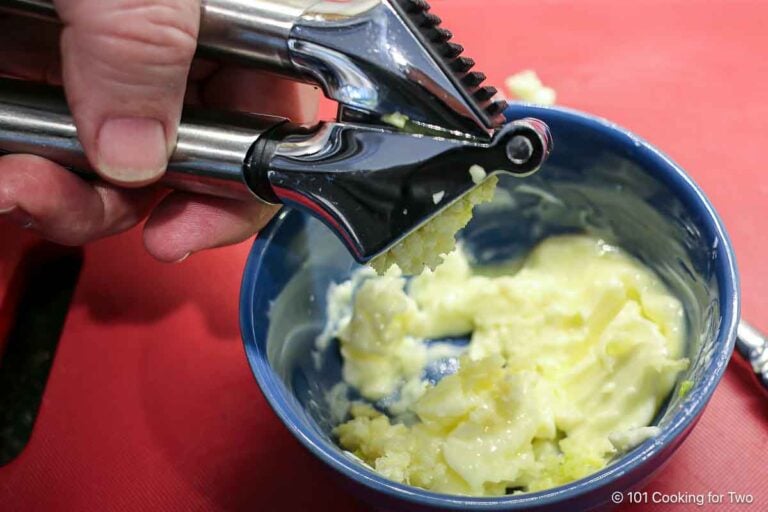
- Make garlic butter: Mix 3 tablespoons of softened butter with 3 cloves of crushed garlic. Poke 15-20 half-inch holes into the roast with a knife.
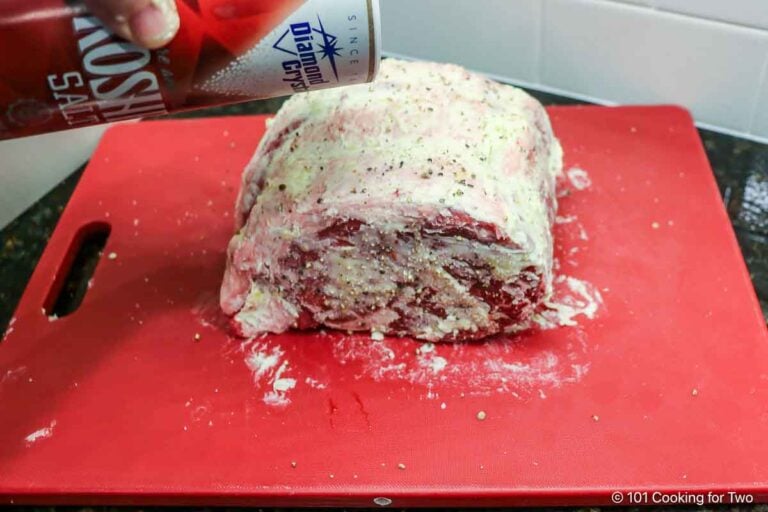
- Slather and season: Rub garlic butter all over the roast, pushing some into the holes—season with salt and pepper.
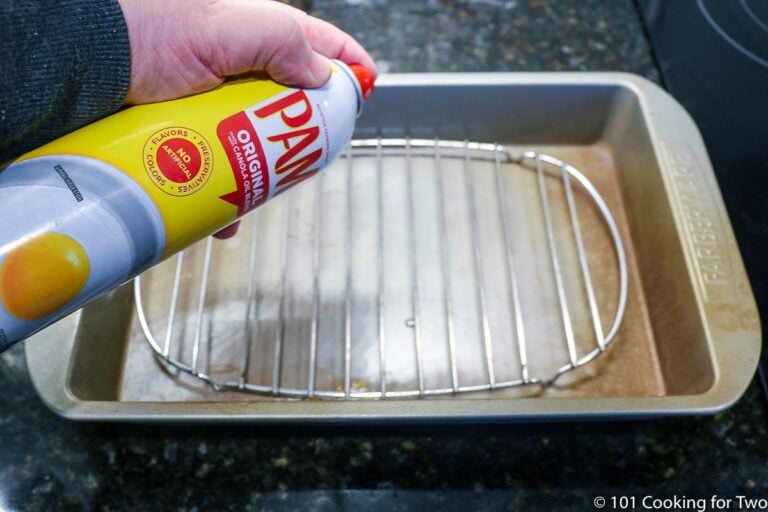
- Pan & rack prep: Set a rack (optional but recommended) in a roasting pan, then spray it with cooking spray. Place the roast on the rack, fat side up.
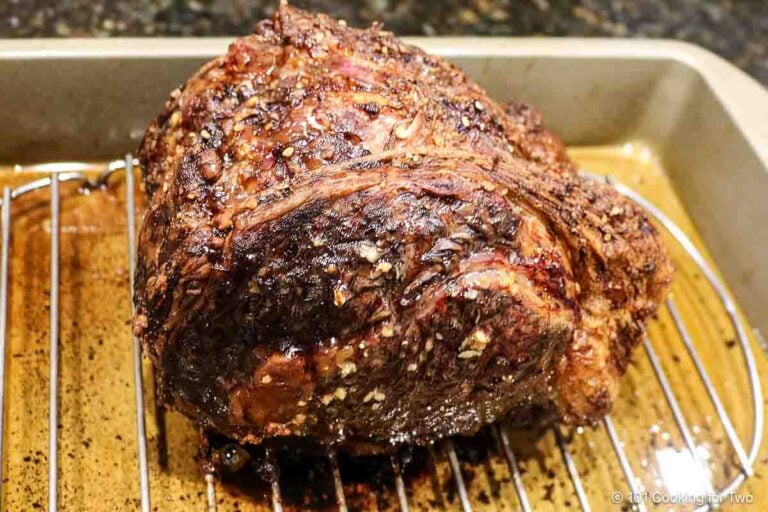
- Sear, then roast: Sear at 500° for 20 min. Reduce the oven temperature to 325°F and continue cooking until the desired internal temperature is reached, 45–90 minutes, depending on the roast size and desired doneness. Start checking the temp early. Temp will rise another 5°–10° after removal.Start checking the temp early, and check a few times — roasts can cook faster than you expect. Remember: temp will rise another 5°–10° after removal.
- Rest & carve: Tent loosely with foil for 15–20 minutes. Slice across the grain. Serve (au jus optional—see the post).
Recipe Notes
Pro Tips
- A reasonable estimate of the size of the roast is ⅓ to ½ pound per serving.
- Check the post for approximate cooking time for various weights and doneness.
- Never cook by time alone. Always check with a meat thermometer a few times early. A continuous remote thermometer is recommended.
- If your oven smokes, see the troubleshooting tips in the full post.
- Homemade Au Jus instructions are in the post.
- Leftovers: refrigerate up to 4 days or freeze 4 months. Reheat in the oven with a splash of broth or au jus.
Your Own Private Notes
To adjust the recipe size:
You can adjust the number of servings above; however, only the amount in the ingredient list is adjusted, not the instructions.
Nutrition Estimate (may vary)
Editor's Note: Originally published September 17, 2017. Updated with expanded options, refreshed photos, and a table of contents to help navigation.
Beth A says
This worked perfectly for us for our first time cooking at home. Your simple instructions and a good meat thermometer did the trick for our 2.71lb roast. It made it seem easy peasy. Thanks again!!
Jean Poletti says
How do you quickly get your oven from 500 down to 325? Open the door? Shut it off? Both?
Also, if you put water or broth in the pan to prevent smoking, doesn't that create steam which changes the "roasting" affect (which is usually dry heat)?
I love prime rib in a restaurant and am looking forward to trying it at home, but I'm rather intimidated, even though your directions seem pretty clear (except for my questions above). Thanks for any help.
Dan Mikesell AKA DrDan says
Hi Jean,
Welcome to the blog and Merry Christmas.
Oven temp: I open the door a bit for about a minute when the temp is turned down. Or just turn it down, and most ovens drift down fairly rapidly.
The liquid: Not steam, but I'm sure there is at least some increase in humidity in the oven. The roast is fine.
Hope that helps, and have a great dinner.
Dan